External Links
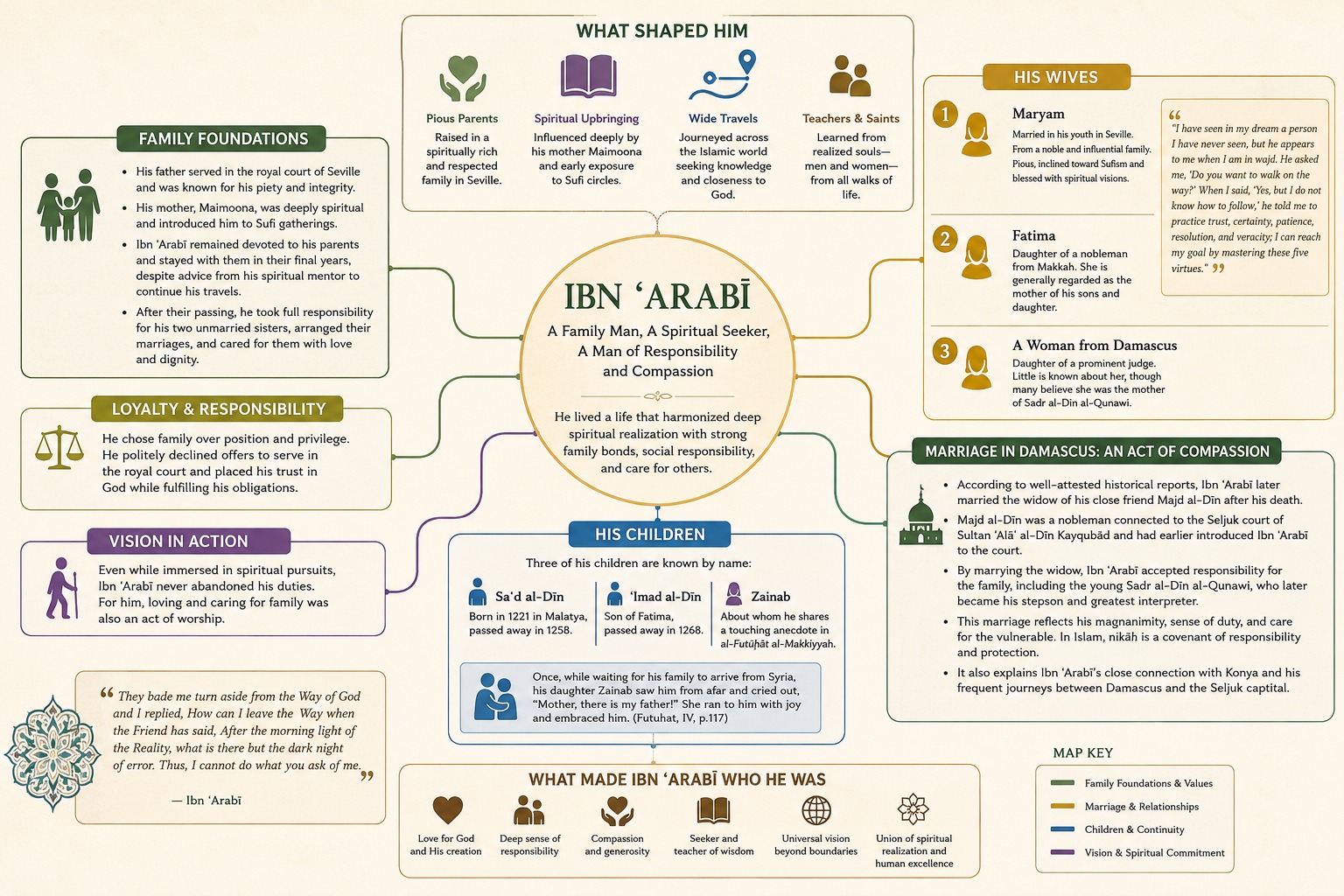
Muḥyiddīn Ibn Arabi (1165–1240 CE), whose full name was Abū ʿAbd Allāh Muḥammad ibn ʿAlī ibn Muḥammad ibn al-ʿArabī al-Ḥātimī al-Ṭāʾī, was one of the greatest scholars, mystics, and spiritual philosophers in Islamic history. Born in Murcia in Muslim Spain (al-Andalus) during the blessed month of Ramadan, he was raised in a family of Arab and Berber heritage. His father belonged to the noble Ṭayy tribe, while his mother is believed to have been of Berber origin from North Africa.
Ibn Arabi proudly traced his ancestry to the famous Ḥātim al-Ṭāʾī, the legendary Arab poet celebrated for his extraordinary generosity. He also acknowledged his connection to ʿAdī ibn Ḥātim, a distinguished Companion of the Prophet Muhammad ﷺ who embraced Islam after meeting the Prophet in Madinah. These family traditions of generosity, honor, and devotion to faith remained an important part of Ibn Arabi’s identity.

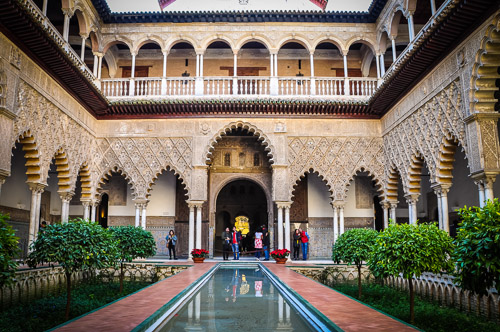
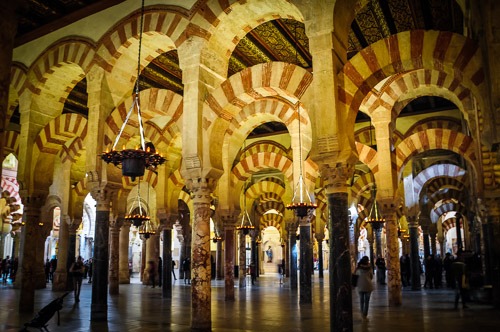
Ibn Arabi was raised in the Moorish culture of Andalusian Spain, the center of an extraordinary flourishing and cross-fertilization of Jewish, Christian and Islamic thought, through which the major scientific and philosophical works of antiquity were transmitted to Northern Europe. Ibn ‘Arabi’s spiritual attainments were evident from an early age, and he was renowned for his great visionary capacity as well as being a superlative teacher.
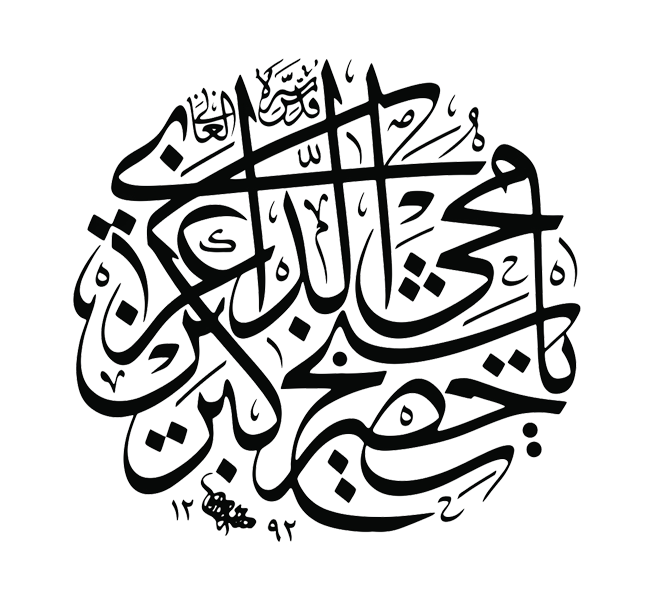
Known as Muhyiddin (the Reviver of Religion) and al-Shaykh al-Akbar (“The Greatest Master”) throughout the Muslim world, Ibn Arabi devoted his life to understanding the deeper meanings of the Qur’an, the Sunnah, and the spiritual journey towards God. He travelled extensively across al-Andalus, North Africa, the Hijaz, Anatolia, and the Middle East, studying with scholars and meeting many of the great saints of his time.

He wrote over 350 works including the Fusûs al-Hikam, an exposition of the inner meaning of the wisdom of the prophets in the Judaic/ Christian/ Islamic line, and the Futûhât al-Makkiyya, a vast encyclopedia of spiritual knowledge which unites and distinguishes the three strands of tradition, reason and mystical insight. In his Diwân and Tarjumân al-Ashwâq he also wrote some of the finest poetry in the Arabic language. These extensive writings provide a beautiful exposition of the Unity of Being, the single and indivisible reality which simultaneously transcends and is manifested in all the images of the world. Ibn ‘Arabi shows how Man, in perfection, is the complete image of this reality and how those who truly know their essential self, know God.
Firmly rooted in the Quran, his work is universal, accepting that each person has a unique path to the truth, which unites all paths in itself. He has profoundly influenced the development of Islam since his time, as well as significant aspects of the philosophy and literature of the West. His wisdom has much to offer us in the modern world in terms of understanding what it means to be human.

Ibn Arabi spent the final years of his life in Damascus, where he continued teaching, writing, and receiving students from across the Muslim world. He passed away on 22 Rabi’ al-Thani 638 AH (10 November 1240 CE) at the age of seventy-five. He was buried on the slopes of Mount Qasioun in the Salihiyyah district of Damascus, where his tomb remains an important place of remembrance and learning. Over the centuries, scholars, students, and visitors from around the world have visited his resting place to honor one of the most influential figures in the history of Islamic spirituality.
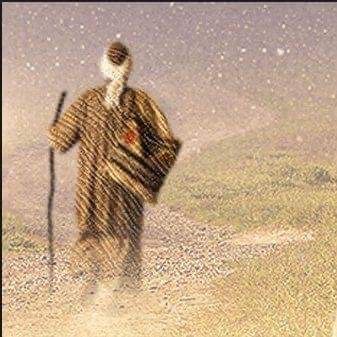
4. Ibn al-'Arabi's Disciples and Influences
-
Sadr al-Din al-Qunawi:
Ibn al-'Arabi's principal disciple, who helped transmit and interpret his teachings, especially in Anatolia. -
Jalal al-Din Rumi:
Though not a direct disciple, Rumi was influenced by the synthesis of Sufism that Ibn al-'Arabi helped foster. -
Other Sufi figures:
'Umar al-Suhrawardi, Ibn al-Farid, Abu al-Hasan al-Shadhili. -
Significance:
These figures ensured the transmission and expansion of Ibn al-'Arabi's mystical philosophy across the Islamic world and beyond.