
Metaphysics
Tajallī (تجلّي)
Receiving Divine Self-Disclosure
Allah (al-Ḥaqq) → Tanzīh & Tashbīh → The Five Divine Presences → Dhikr → Tajallī → The Imaginal World → Qalb → Kashf → Asma al Husna → The Realized Person (al-Insān al-Kāmil)
كُلَّ يَوْمٍ هُوَ فِي شَأْنٍ
“Every day He is upon some affair.” — Qur’ān 55:29
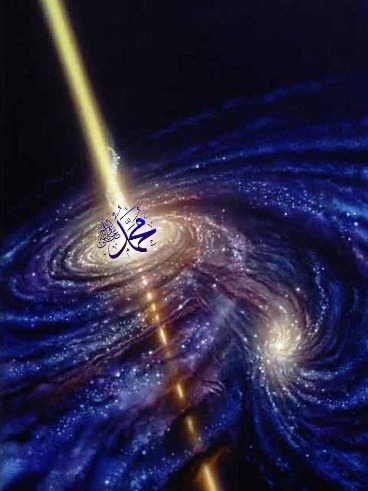
Tajallī means self-disclosure. In spiritual life, it is Allah making something of His wisdom, mercy, guidance, or power known to a servant. The seeker cannot summon this disclosure. Yet the heart can become more ready to receive it.
Preparing the Heart
Ibn ʿArabī calls this readiness istiʿdād (استعداد). Dhikr turns attention toward Allah; repentance loosens the hold of harmful habits; prayer, reflection, and sincere conduct help clear the heart of distractions. Like a mirror, the heart does not produce the light it reflects. Its clarity affects what it can receive.
This preparation belongs to ordinary life as much as to moments of solitude. A person may remember Allah while facing a difficult choice, restrain anger, fulfil another person’s right, or pause to recognize a blessing. Each act can make the heart more attentive to what Allah is teaching through that moment
Recognizing a Disclosure
Tajallī need not arrive as a vision or an unusual sensation. An act of mercy may awaken gratitude for al-Raḥmān (الرَّحْمَٰن); an experience of forgiveness may deepen one’s understanding of al-Ghafūr (الْغَفُور); a hardship may disclose a need for patience and trust. The event itself is created. Through it, the seeker may come to recognize the meaning of a Divine Name. Recognition requires humility. A person’s understanding may be partial or mistaken, and even a powerful spiritual experience does not encompass Allah. Ibn ʿArabī’s image of the mirror reminds us that what is reflected depends on the receiver’s capacity. This does not mean that Allah enters creation or that His Essence becomes contained in a form. Allah remains incomparable and beyond comprehension. What becomes known are the signs and meanings through which He guides His servants. Dhikr turns the heart toward Allah and prepares it to recognize these signs, but tajallī is always Allah’s gift; it is not produced by a spiritual technique.
Responding to What Is Received
The response to tajallī is gratitude, reverence, and action. If one recognizes mercy, one should become more merciful. If one recognizes justice, one should act more justly. A disclosure bears fruit when it deepens servanthood and improves one’s conduct toward others. Thus, the seeker does not pursue experiences for their own sake. Through dhikr and attentive living, the heart becomes receptive; through humility, it avoids claiming too much; and through faithful action, it honors what it has been given.
Tajallī in the Qur'an
The Qur'an uses the word tajallā to describe Allah's self-disclosure to the mountain. Ibn ʿArabī takes this Qur'anic language and expands its spiritual meaning. For him, Allah continually makes Himself known—not by revealing His Essence, but by revealing His Beautiful Names, wisdom, mercy, power, and guidance throughout creation and in the lives of those who sincerely seek Him. For example:
Qur'an 7:143
– Allah's self-disclosure to the mountain during the story of Prophet Mūsā (Moses):
"When his Lord manifested Himself (tajallā) to the mountain, He made it crumble..."
Every manifestation is also a veil
A created form can disclose something of a Divine Name, but no finite form can contain Allah or reveal Him as He knows Himself. The same form therefore reveals and conceals it is a sign of the Reality, yet it is not the Reality in its absoluteness. Sufi writers speak of veils of darkness and veils of light. Bodily and material forms may become veils of darkness when attention stops at their outward appearance. Subtle spirits, spiritual knowledge, and luminous experiences may become veils of light when their beauty is mistaken for the ultimate Reality. Darkness here does not simply mean evil, nor does light mean that the veil is false. Both are created modes that disclose something while concealing what lies beyond them.
Why it matters today
Tajallī invites us to see ordinary life with greater attention. An act of mercy, a moment of forgiveness, beauty in the natural world, or a hardship that awakens patience may disclose a Divine meaning. The aim is not to chase extraordinary experiences, but to recognize Allah’s signs with gratitude and responsibility.
Key ideas
- The cosmos is a field of tajallī. Created forms make the meanings of the Divine Names perceptible.
- Every disclosure also veils. A finite form reveals a meaning but cannot contain Allah.
- There are veils of darkness and light. Material forms and spiritual experiences can both conceal when mistaken for the Reality itself.
- The heart receives according to its capacity. Dhikr polishes the mirror of the qalb and prepares it for recognition.
- Tajallī remains a Divine gift. It cannot be caused, controlled, or reduced to an experience.
Reflective Note
The Qur’an repeatedly calls us to observe, reflect, and remember. Ibn ʿArabī teaches that when the heart is awakened through dhikr, the world itself begins to speak. What once seemed ordinary becomes filled with meaning, and what once appeared separate reveals its connection to Al-Ḥaqq.
The spiritual journey does not end with remembering Allah. As the heart becomes more receptive to His self-disclosure, it begins to perceive realities that lie beyond the physical senses. This leads us to another important dimension of Ibn ʿArabī’s thought: the Imaginal World (ʿĀlam al-Mithāl), where spiritual truths are revealed through symbols, dreams, and visions.
Next: The Imaginal World — where meanings take perceptible form