
Dhikr (الذكر)
Allah (al-Ḥaqq) → Tanzīh & Tashbīh → The Five Divine Presences → Dhikr → Tajallī → The Imaginal World → Qalb → Kashf → The Realized Person (al-Insān al-Kāmil)
فَاذْكُرُونِي أَذْكُرْكُمْ
Remember Me, and I will remember you." (Qur'an 2:152)
Remembering Allah
The Arabic word dhikr (ذِكْر) means remembrance or mentioning. Every Muslim remembers Allah through daily prayer, recitation of the Qurʾān, supplication, and familiar expressions such as Subḥān Allāh, al-ḥamdu li’llāh, and Allāhu Akbar. These phrases also form the Tasbīḥ taught by the Prophet ﷺ to Sayyidah Fāṭimah (RA).
Dhikr is therefore not limited to one school or method. It is an essential part of Islamic worship and daily life. It may be practised silently or aloud, individually or collectively, through Qurʾānic phrases, supplications, blessings upon the Prophet ﷺ, or the Beautiful Names of Allah.
In Sufi tradition, drinks also become a disciplined spiritual practice. Instead of remembering Allah only occasionally, the seeker returns to remembrance regularly and attentively. Repetition gathers a distracted mind, awakens the heart, and gradually brings the whole person into conscious presence before Allah.
Why repeat the remembrance?
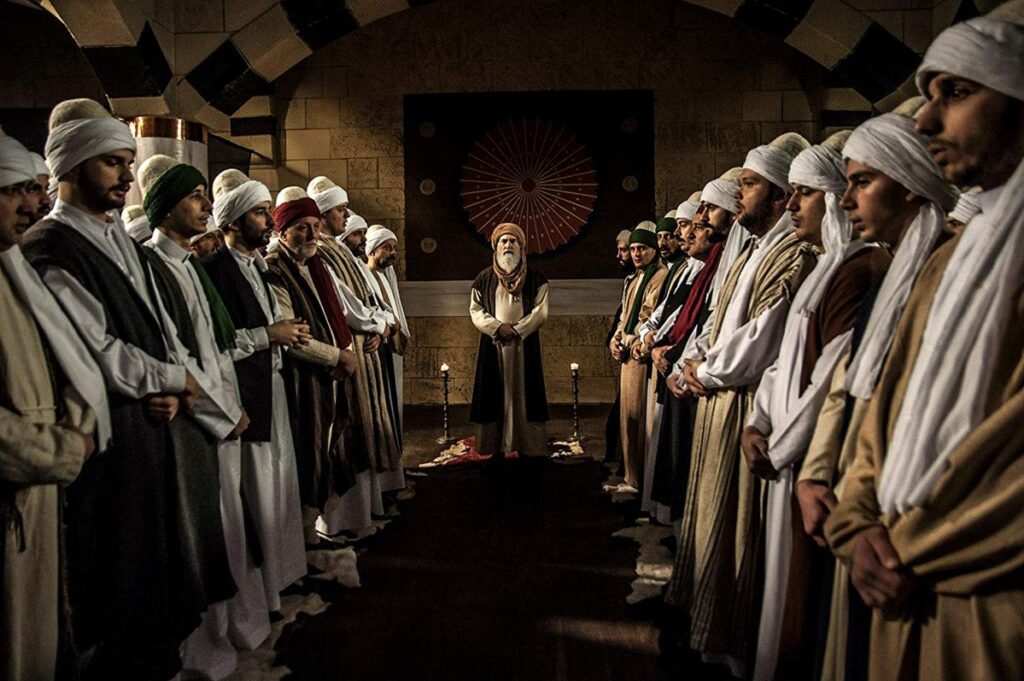
Many people first encounter collective dhikr through Sufi gatherings or historical dramas such as Diriliş: Ertuğrul. They may wonder why worshippers repeatedly recite Allāh, Lā ilāha illā Allāh, or Allāh Hū. If Allah already hears the first recitation, why repeat it? The repetition is not meant to inform Allah of something He does not know. Its purpose is to transform the one who remembers. The tongue may pronounce a truth that the mind accepts, while the heart has not yet awakened fully to it. Repetition carries remembrance from occasional thought towards sustained awareness. Lā ilāha illā Allāh repeatedly turns the heart away from false centres of dependence. The Name Allāh gathers attention towards the One who possesses all perfection. Hū (هُوَ)—“He”—directs remembrance towards Allah beyond every image the mind can form. Through repeated remembrance, the believer seeks not to summon Divine presence, for Allah is always near, but to be awakened to that nearness and admitted into conscious, accepted presence before Him. From Tongue to Heart Dhikr may begin upon the tongue, but it is meant to reach the heart. At first, a person may repeat the words while the mind continues to wander. With patience and sincerity, the distance between speech and attention begins to lessen. The one remembering becomes more conscious of the One remembered. Ibn ʿArabī places great importance on the awakened heart because the heart can turn, receive, and recognize. When remembrance reaches it, dhikr is no longer only an action performed at a particular time. It begins to accompany the person through work, relationships, difficulty, and ordinary responsibilities. This does not require withdrawal from the world. Dhikr teaches the believer to live within the world without allowing its distractions to become the heart’s governing reality.
Remembering Allah Through His Beautiful Names (الأسماء الحسنى)
The Beautiful Names of Allah, al-Asmāʾ al-Ḥusnā (الأسماء الحسنى), also form part of dhikr. A believer may remember Allah as al-Raḥmān, the Merciful; al-Ghafūr, the Forgiving; al-Hādī, the Guide; or through another Name appropriate to prayer and spiritual need. The Name is not a formula for controlling events or guaranteeing a desired result. To call upon Allah through one of His Names is to approach Him with need, understanding, humility, and trust. For Ibn ʿArabī, each Divine Name discloses a particular relationship between Allah and creation. A fuller discussion of the Names, their different kinds, and their relationship with character will therefore appear at the conclusion of this spiritual journey.
Dhikr and Wird
A distinction may be made between general remembrance and a regular wird (وِرْد). Dhikr includes the many ways in which believers remember Allah. A wird is a particular portion of remembrance, Qurʾānic recitation, or supplication observed regularly. A structured wird gives rhythm and continuity to spiritual practice. It prevents remembrance from depending entirely upon mood or convenience. A fixed sequence or number may also train attention and perseverance. When a wird involves a specialized formula, number, or spiritual purpose, it is traditionally received through an established devotional practice or the guidance of an experienced teacher. The number itself is not the goal. A large quantity of inattentive repetition does not replace sincerity. Regularity provides the form; presence gives it life. Each Divine Name reminds the believer that Allah responds to every human need with His perfect wisdom and mercy. As the heart repeatedly turns to Him through these Names, remembrance becomes more than words—it becomes a living relationship with Allah, rooted in faith, trust, and love.
Awakening from Ghaflah
The opposite of dhikr is ghaflah (غفلة)—heedlessness or forgetfulness. Ghaflah does not necessarily mean that a person denies Allah. It may appear when someone believes in Allah but lives for long periods without conscious awareness of Him. Modern life encourages this kind of forgetfulness. Constant information, hurried activity, entertainment, anxiety, and pressure scatter attention. A person may remain outwardly busy while becoming inwardly absent. Dhikr gathers what has been scattered. It interrupts automatic living and returns the heart to its true orientation. The believer remembers that life is received from Allah, sustained by Him, and returns to Him.
Remembrance and the Formation of Character
Dhikr is not complete when it remains only upon the tongue. Its truth must gradually appear in character. A person who remembers Allah but persists knowingly in pride, injustice, cruelty, or disregard for others has not yet allowed remembrance to penetrate deeply enough. Sincere dhikr makes a person more watchful of speech, more conscious of responsibility, and more attentive to the rights of others. It creates an inward pause in which anger may yield to patience, resentment to forgiveness, anxiety to trust, and self-importance to humility. The transformation is usually gradual. Remembrance does not manufacture virtue through mechanical repetition. Rather, it keeps the heart turned towards Allah, from whom guidance and transformation are received. The fruit of dhikr is therefore not limited to temporary peace or an unusual spiritual state. Its deeper fruit is a life increasingly marked by gratitude, mercy, patience, obedience, and service.
Presence Without Self-Display
Spiritual practice can itself become a source of pride. A person may become concerned with the number of recitations, the intensity of an experience, or the appearance of devotion before others. Such concerns can redirect attention from Allah towards the person who is remembering. True dhikr weakens this desire for self-display. The servant does not remember Allah in order to become spiritually important, but to become more truthful in servanthood. The more deeply Allah is remembered, the less room remains for claims of personal greatness. The sign of remembrance is not that a person speaks continually about spiritual experience. It is that the person becomes more sincere, responsible, compassionate, and aware of Allah.
Why it Matters Today?
Dhikr offers more than relief from the pressures of modern life. It restores the connection between attention, worship, and conduct. By remembering Allah within ordinary circumstances, the believer learns that spiritual life is not separate from family, work, relationships, and moral responsibility. Its tranquillity is not an escape from action. It is the inward steadiness from which clearer judgment and better action may arise. Dhikr recalls the person from heedlessness and returns every part of life to its proper centre.
Key Ideas
- Dhikr means remembering and mentioning Allah.
- It is rooted in the Qurʾān and Sunnah and is practised by all Muslims.
- Sufi tradition develops dhikr as a regular and attentive spiritual discipline.
- Repetition transforms the one remembering; it does not provide information to Allah.
- Dhikr begins with the tongue but is intended to awaken the heart.
- A wird gives continuity and discipline to remembrance.
- Dhikr awakens the person from ghaflah and gathers scattered attention.
- Its lasting fruit is visible in character, responsibility, and service.
Reflective Note
Every act of remembrance is an invitation to return to Allah. The tongue repeats the sacred words, attention is gathered, and the heart gradually awakens. What begins as deliberate practice may become an abiding awareness carried into the ordinary movements of life. Yet attentiveness is not the final destination. Dhikr must leave its mark upon character. The person who remembers Allah becomes more conscious of speech, conduct, responsibility, and the needs of others. The tongue remembers, the heart receives, and life begins to change. As the heart awakens, it becomes more capable of recognizing the ways in which Allah makes the meanings of His Names known through His signs and creation. This Divine self-disclosure is called Tajallī (تجلّي).
"Each Divine Name reminds the believer that Allah responds to every human need with His perfect wisdom and mercy."
" In the next chapter, we will explore how Allah makes Himself known by Tajjali on human Qalb. "